
this is test
Starting a fitness centre is one of the most rewarding business ideas in India today, but before you begin, you need clarity on the real gym setup cost, the equipment you actually need, and how much space to plan for. Based on our experience helping hundreds of gym owners across India set up everything from home corners to full commercial facilities, here’s a practical, no-fluff guide to planning your fitness space in 2026 including the costs most people forget to budget for.
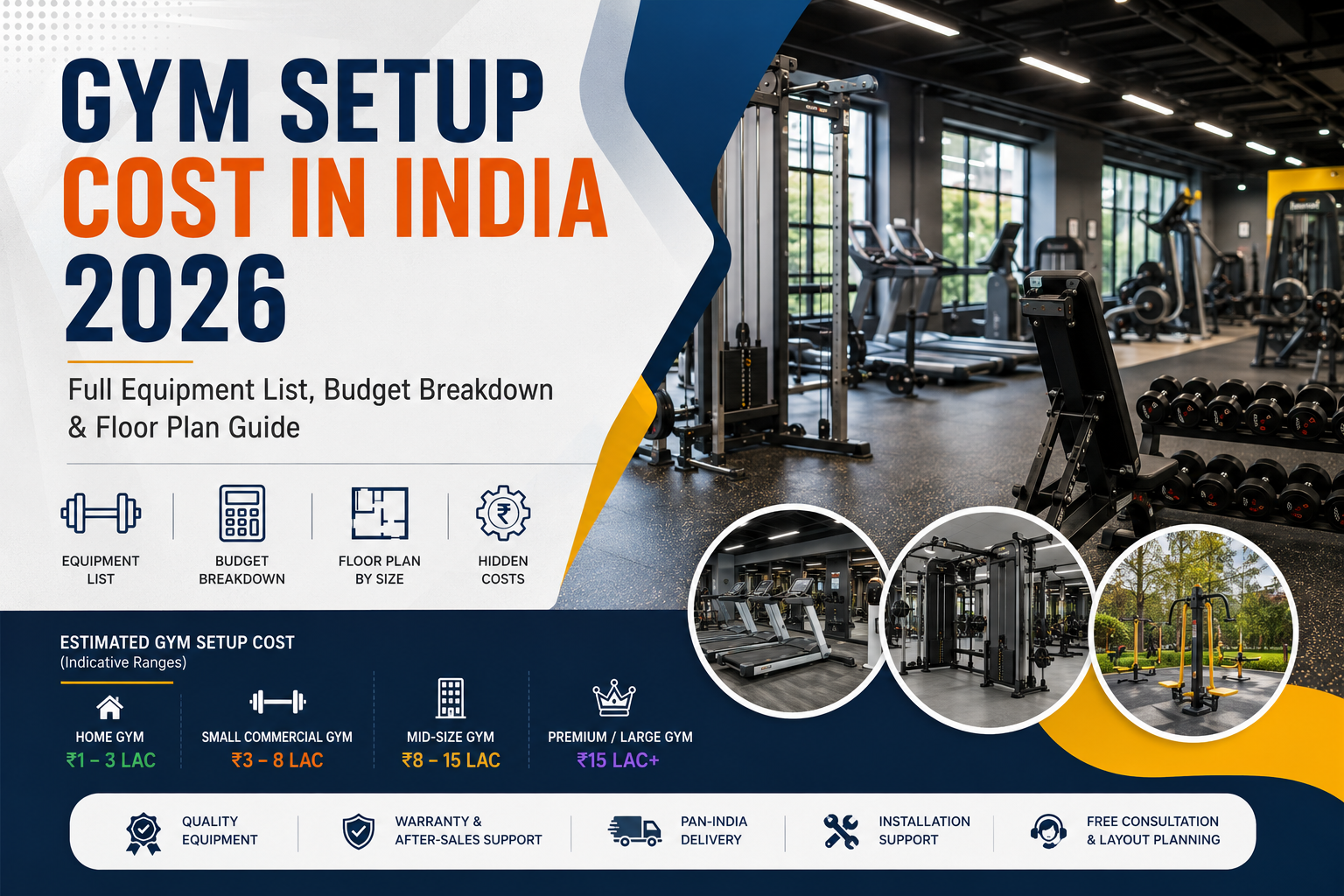
How Much Does It Cost to Set Up a Gym in India in 2026?
Cost depends heavily on whether you’re building a personal setup or a commercial one, so it helps to separate the two:
- Home / Personal Gym (₹1 Lac – ₹3 Lac): This budget works well for a small home gym or a single-room fitness corner with a compact multi-gym unit, a few free weights, and a cardio machine. It is not meant for a commercial facility.
- Small Commercial Gym (₹3 Lac – ₹8 Lac): A modest neighbourhood gym with a mix of cardio, strength machines, and basic free weights.
- Mid-Size Commercial Gym (₹8 Lac – ₹15 Lac): Better equipment variety, dedicated zones, and branded machines from an established fitness equipment company.
- Premium / Large Commercial Gym (₹15 Lac+): A full-scale facility with premium finishing, functional training zones, and a wider range of commercial-grade equipment.
Keep in mind equipment is only part of the bill. Rent, interiors, and staffing (covered below) often add up to as much as the machines themselves.
Full Gym Equipment List You’ll Need
A well-planned gym isn’t about having the most machines it’s about having the right mix for your members. Here’s a realistic breakdown, and our detailed guide on choosing the right fitness equipment walks through this in more depth if you want to go deeper.
1. Cardio Section: Treadmills, cross trainers, exercise cycles, and steppers for warm-ups and endurance work.
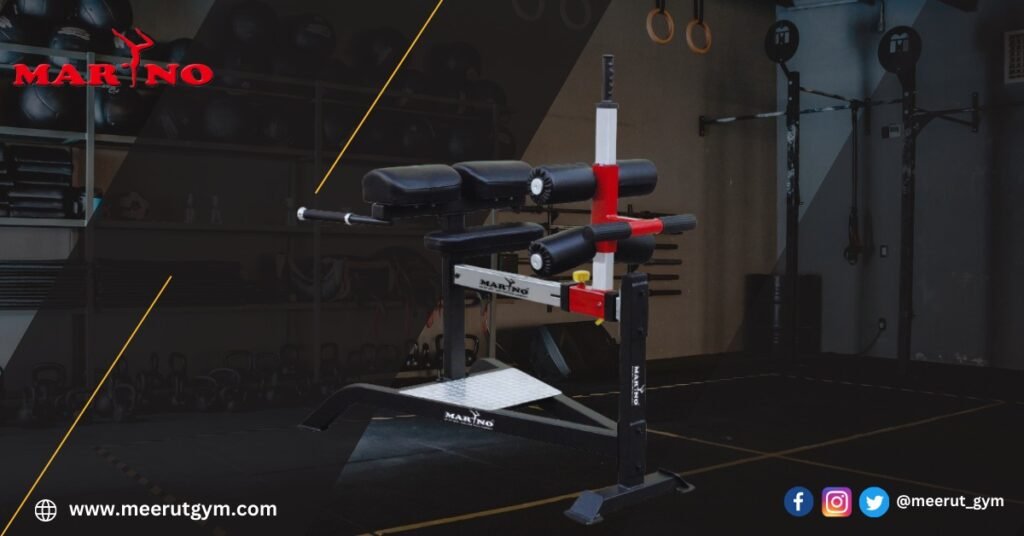
2. Strength & Multi-Gym Stations: Ten-station, eight-station, and six-station multi gyms remain the backbone of most Indian gyms.
3. Free Weights & Accessories: Dumbbells, barbell rods, weight plates, and benches — the essentials no gym can skip.
4. Functional Training Gear: Kettlebells, resistance bands, battle ropes, and mats for group and functional workouts.
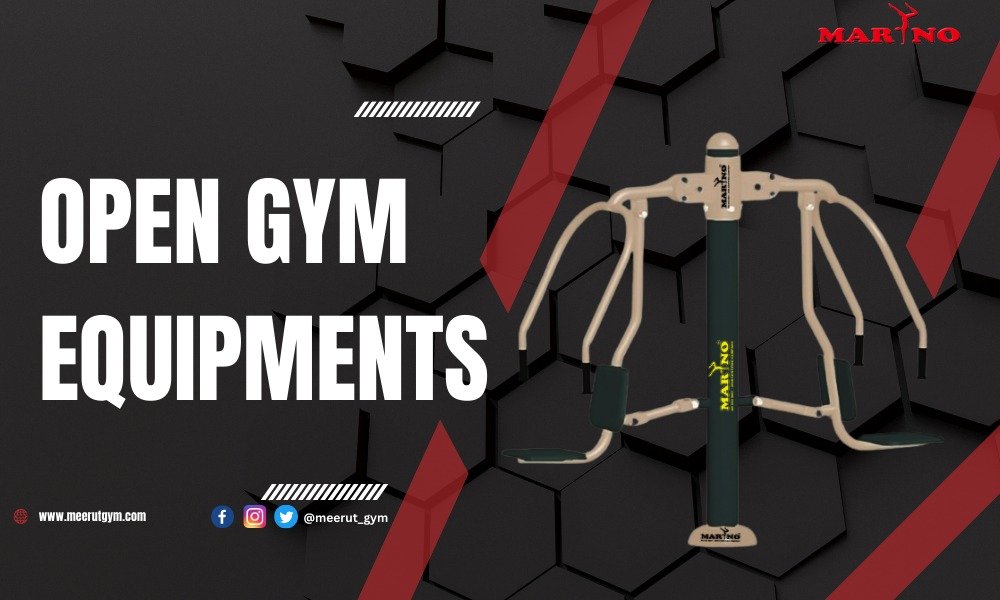
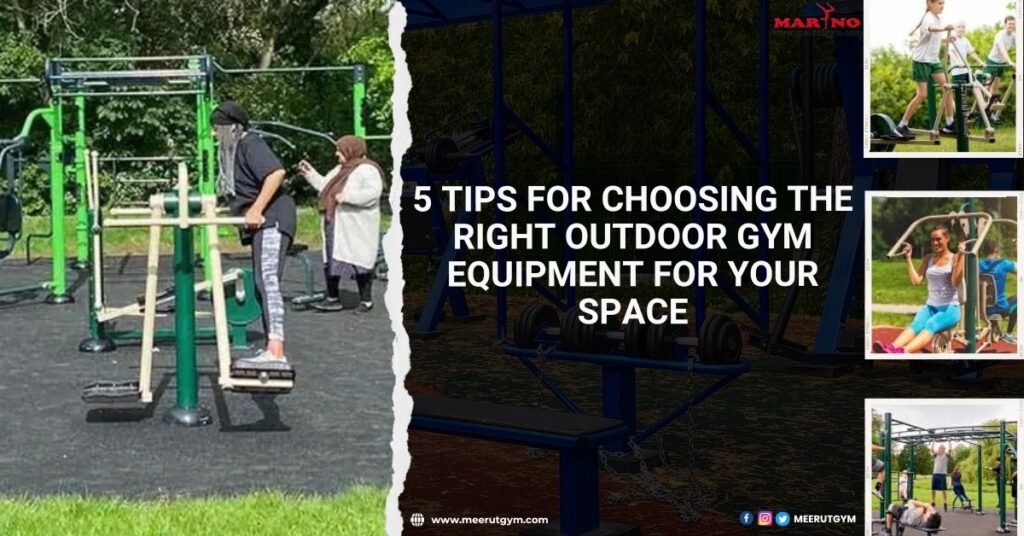
5. Outdoor Fitness Equipment: If you’re building a community or park-based facility, our range of open gym equipment and garden-friendly units is a low-maintenance addition — see our tips on picking the right outdoor equipment for your space.
Hidden Costs Most First-Time Gym Owners Miss
Equipment usually gets all the attention, but these costs quietly make up 30–40% of a real gym budget:
- Rent & Security Deposit: Commercial spaces typically need 2–6 months’ rent as a security deposit upfront.
- Electrical Work & AC: Wiring for heavy machines, plus air conditioning or ventilation for member comfort.
- Flooring & Interiors: Rubber flooring, mirrors, false ceiling, and changing rooms.
- Installation & Delivery: Freight and on-site assembly charges, which vary by city and equipment size.
- Staffing: Trainers, front-desk staff, and housekeeping — a recurring monthly cost, not one-time.
- Maintenance & AMC: Annual maintenance contracts keep machines running smoothly and reduce downtime.
- Licenses & Insurance: Trade licence, fire safety NOC, and basic liability insurance depending on your city’s norms.
Budgeting for these upfront avoids the common mistake of running out of funds right before opening day.
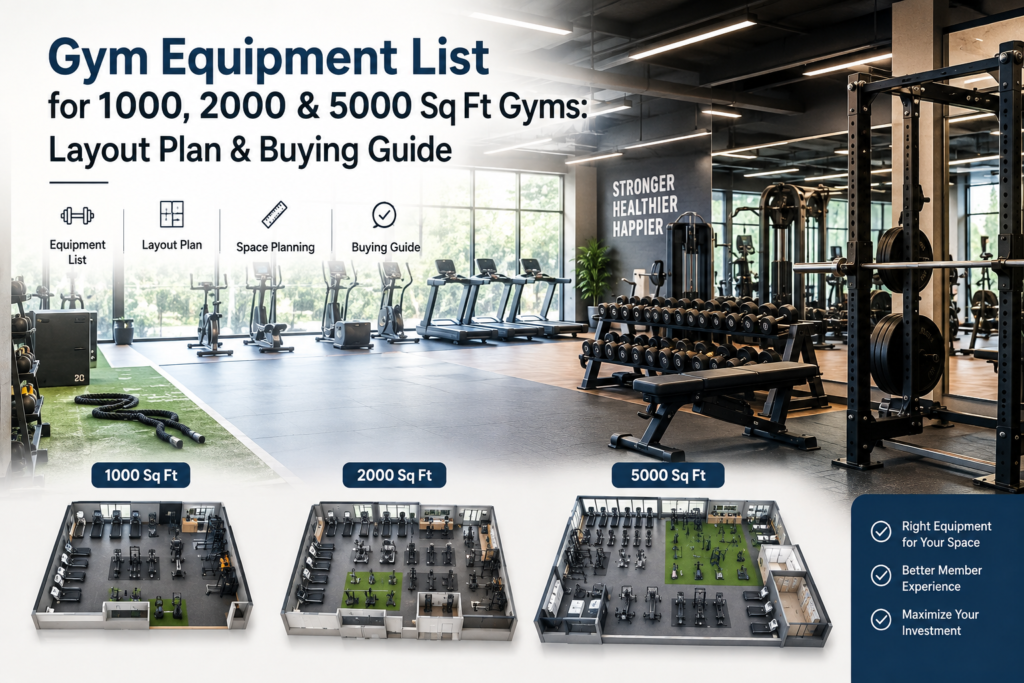
Gym Floor Plan: Zone-Wise Planning by Size
- Home Gym (150–400 sq. ft.): One multi-gym station, a cardio machine, a dumbbell rack, and a mirror wall — no need for separate zones.
- Small Gym (500–800 sq. ft.): A cardio corner (3–4 machines), one multi-gym unit, and a compact free-weight area sharing the same floor.
- 1,000 sq. ft. Gym: Enough room for a proper cardio zone, a strength zone with 2–3 multi-stations, a free-weight rack, a small stretching mat area, and a reception counter a popular size for first-time commercial gym owners.
- Medium Gym (1,500–2,000 sq. ft.): Separate cardio, strength, and functional training zones, plus a changing room.
- Large Commercial Gym (2,500+ sq. ft.): Dedicated free-weight section, group workout space, smith machine/rack area, reception, and locker rooms.
As a rule of thumb, leave 6–8 feet of clearance around heavy machines for safe movement and spotting.
Open & Outdoor Gym Equipment: Cost Comparison and Where It Fits
Indoor commercial machines cost more upfront but offer a wider range of resistance and adjustability, which matters most for a dedicated fitness centre. For parks, societies, and open-space projects, open gym equipment is usually the more economical route since there’s no indoor construction involved. Outdoor gym equipment is also built differently weatherproof, powder-coated steel designed to handle sun and rain with minimal upkeep, unlike upholstered indoor machines.
This category covers a fairly wide range of use cases:
- Outdoor fitness equipment and outdoor exercise equipment for general strength and mobility stations in open spaces
- Outdoor workout equipment built for calisthenics-style, bodyweight-assisted movements
- Garden gym equipment for residential complexes, farmhouses, and private lawns
- Commercial outdoor gym equipment for resorts, corporate campuses, and hospitality projects that want a fitness amenity without dedicating indoor space
Outdoor gym equipment price in India generally starts lower than indoor commercial machines and scales up with the number of stations and material grade. When comparing vendors, an established outdoor gym equipment manufacturer rather than a reseller — usually means better rust-resistant coatings and longer warranty support. The same applies to an open gym equipment manufacturer or a dependable open gym equipment supplier with pan-India delivery, which makes installation smoother for society and municipal projects.
We manufacture and supply a full range of open gym equipment and dedicated outdoor gym equipment as one of the established outdoor gym equipment suppliers working on outdoor gym equipment India projects from small park installations to larger municipal fitness zones. If you’re weighing the environmental angle too, our piece on why outdoor gym equipment is a sustainable choice covers that in detail.
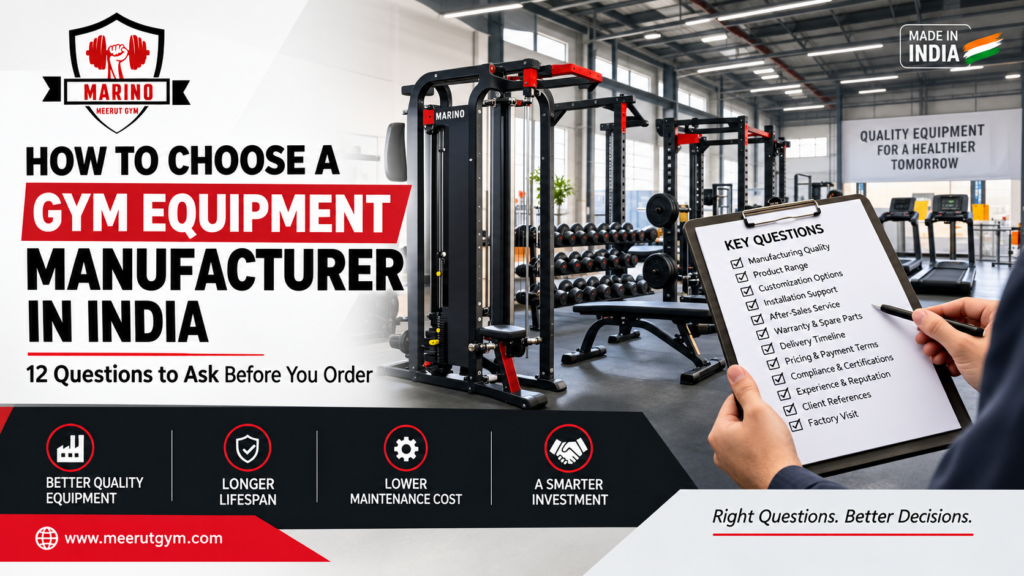
Choosing the Right Gym Equipment Manufacturer
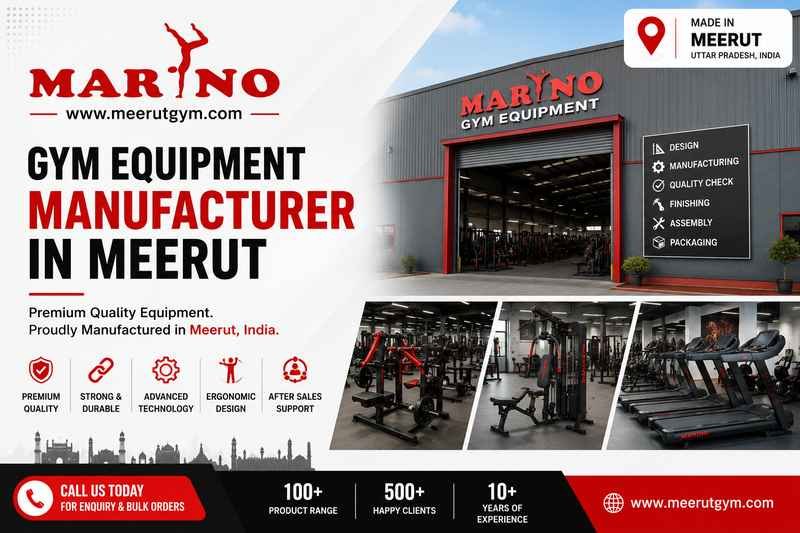
With so many suppliers in the market, look for a gym equipment manufacturer with in-house production, recognised certifications (ISO, CE, ROHS), and genuine after-sales support — not just the lowest quote. The right partner can be the difference between a five-year investment and a machine you’re replacing in two. At Meerut Gym, we’ve been manufacturing under the MARINO brand for over 15 years, and we work with gym owners across major cities including Delhi NCR, Mumbai, and Bangalore, right through to Tier-2 markets like our home base of Meerut. A good partner should also offer:
- Free layout and equipment consultation
- Customisable packages based on your budget bracket
- Warranty and installation support
- Delivery and servicing beyond just metro cities
How to Reduce Your Gym Setup Cost Without Compromising Quality
Cutting corners on machines usually costs more later through repairs and downtime, but there are still smart ways to control your budget without hurting quality:
- Start with core equipment first. A multi-gym station, a couple of cardio machines, and a free-weight rack cover most member needs add specialised machines once you have steady footfall.
- Mix indoor and outdoor zones. If your property has any open area, adding outdoor gym equipment alongside your indoor setup lets you offer more stations without expanding built-up space or paying for extra flooring and AC.
- Buy in phases. Many gym equipment manufacturer partners offer phased delivery, so you can launch with essentials and add strength or functional equipment in month 3–6 once revenue starts coming in.
- Negotiate AMC bundles. Bundling installation and a 1-year AMC with your purchase is usually cheaper than arranging maintenance separately later.
- Compare landed cost, not just machine price. Freight, installation, and warranty terms can shift the real cost by 10–15% between vendors quoting similar sticker prices.
Additional Costs: Sports & Playground Equipment
If your facility also caters to sports training, factor in equipment such as basketball poles, football goal posts, and table tennis tables, along with any sports equipment needed for gymnastics or playground use. These additions boost footfall and make a facility more versatile, especially for schools and community centres.
FAQs
A basic home gym can start from around ₹1–3 Lac, while a small commercial gym typically needs at least ₹3–5 Lac for equipment and setup.
A 1,000 sq. ft. commercial gym usually costs ₹5–10 Lac including equipment, flooring, and basic interiors, depending on brand and finish quality.
A multi-gym station, a couple of cardio machines, a free-weight rack with dumbbells, and basic mats cover the essentials for a small gym.
Yes, outdoor units are generally more affordable due to simpler, weatherproof designs built for open spaces rather than climate-controlled interiors.
Most commercial gyms need 1,000–2,500 sq. ft. to comfortably fit cardio, strength, and functional training zones.
Buying directly from a manufacturer usually offers better pricing, warranty support, and the ability to customise your equipment package.
Beyond equipment, budget for rent, staff salaries, electricity, AMC/maintenance, and periodic equipment servicing.